
Better Sleep After 50: What Actually Helps Beyond Melatonin.
Remember when going to sleep was easy? You got in bed, closed your eyes, and the next thing you knew, the alarm was going off.
Now I can be exhausted all day, crawl into bed completely ready to sleep, and suddenly my brain wants to discuss something embarrassing I said in 1987. Lol!
Sleep can definitely get trickier as we get older, and menopause doesn’t exactly do us any favors. Hot flashes, night sweats, bathroom trips, aches and pains, and those mysterious 3 a.m. wake-ups can make a full night of sleep seem like a distant memory.
The good news is that getting better sleep isn’t necessarily about finding one magical supplement or buying a cart full of sleep products. In fact, some of the most helpful things we can do are completely free.
I’ve been paying more attention to my own nighttime routine, so I thought it would be helpful to talk about how to sleep better after 50, including what I personally use and the simple habits that are worth trying first.
Why Does Sleep Get Harder After 50?
First, if your sleep isn’t what it used to be, you’re certainly not imagining it.
The National Institute on Aging says older adults still generally need about seven to nine hours of sleep each night, but menopause, insomnia, sleep apnea, medications, pain, and other issues can make getting those hours more difficult.
Menopause can be a particularly rude houseguest. Lol! Night sweats are essentially hot flashes that happen during sleep, and they can repeatedly wake us up throughout the night. The Menopause Society notes that nighttime hot flashes are associated with sleep disruption.
So before assuming that you’re simply a “bad sleeper,” it helps to look at what is actually waking you up.
Are you hot? Uncomfortable? Hearing every little noise? Drinking caffeine late in the day? Waking to use the bathroom? Or lying there with a brain that suddenly wants to solve every problem you’ve had since 1974?
Different problems may need different solutions.
Start With a Consistent Sleep Schedule
This isn’t very exciting, but it is one of the most consistently recommended sleep habits.
Try going to bed and waking up around the same time each day, including weekends when possible. A regular schedule helps reinforce your body’s natural sleep-wake cycle. The National Institute on Aging specifically recommends maintaining consistent sleep and wake times as we get older.
I’m not saying you need to have your pajamas on at precisely 9:03 every evening. Life happens. But going to bed at 9:30 one night, midnight the next, and 8:30 the night after doesn’t give your body much of a routine to follow.
The same goes for naps. A short nap may be wonderful, but a long nap late in the afternoon can make it harder to fall asleep at bedtime.
Create a Wind-Down Routine Your Body Recognizes
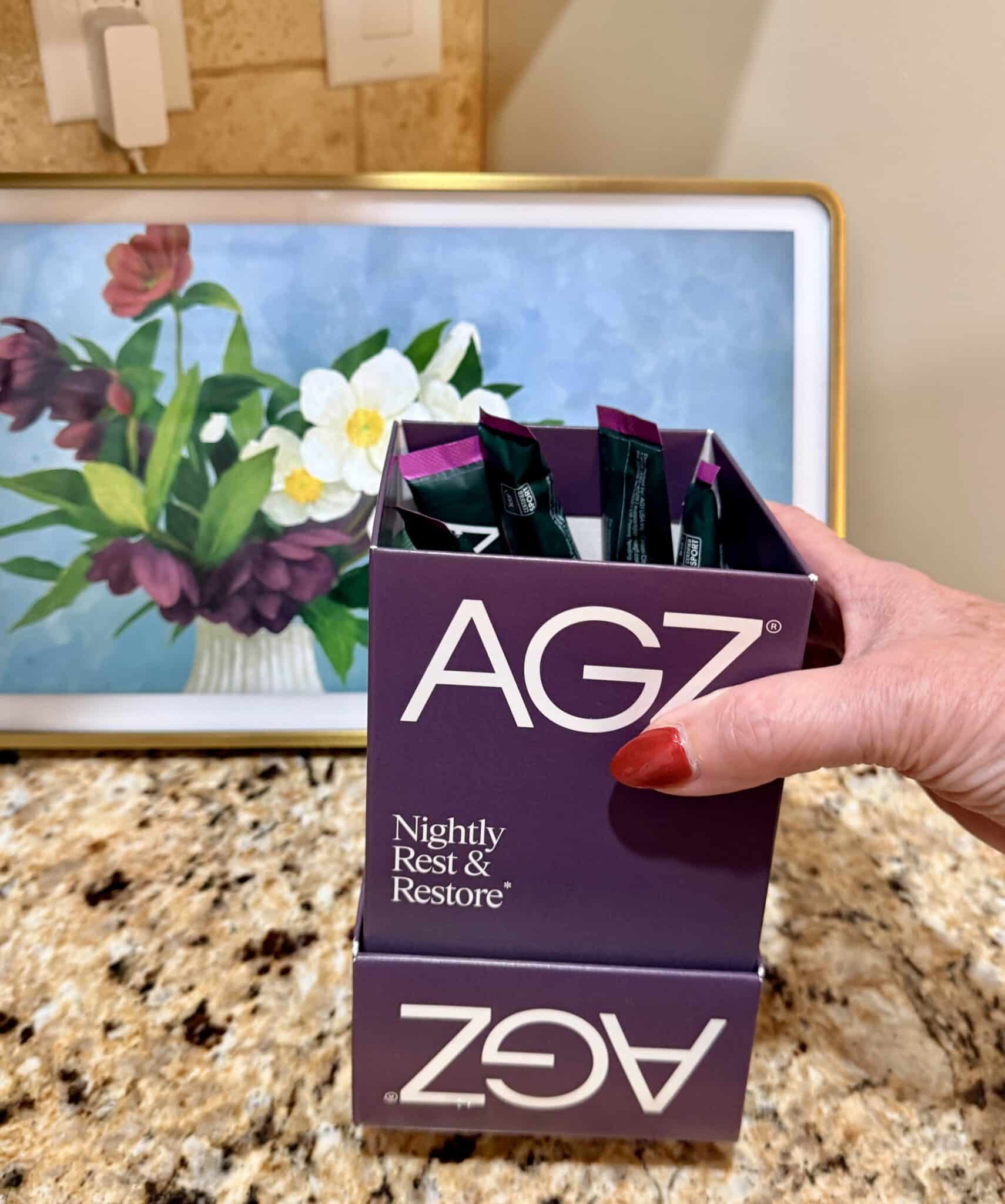
I’ve learned that I like having a little ritual at night. It gives me a transition between “doing all the things” and actually going to bed. For me, part of that is drinking something warm.
I’ve been using AGZ Nightly Sleep Support; you’ve heard me call it my “sleepytime drink.” I put it in one of my coffee cups and simply run hot water through my coffee maker. It feels like having a nighttime cup of something cozy, which I enjoy anyway, so the routine itself is part of the appeal.
AGZ is melatonin-free and contains a blend that includes magnesium L-threonate, L-theanine, ashwagandha, saffron, valerian, passionflower, and other ingredients. The company markets it as nighttime sleep support, but I don’t look at something like this as a magic potion that guarantees eight hours of sleep. It’s one part of my nighttime routine.
You certainly don’t have to buy a special nighttime drink. Herbal tea or another caffeine-free warm drink can accomplish the ritual part just as well.
The point is to create a repeatable signal that says, “Okay, we’re done for the day.”
Reading, taking a warm bath, listening to quiet music, lowering the lights, or spending a few minutes doing absolutely nothing productive all count. The National Institute on Aging recommends relaxing activities before bedtime for this very reason.
And yes, “doing nothing productive” may be the hardest item on this entire list. Lol!
Watch the Afternoon Caffeine
This one hurts my feelings because I love coffee.
Caffeine can stay in your system much longer than you might think. The National Heart, Lung, and Blood Institute notes that caffeine’s effects can last up to eight hours, meaning that late-afternoon cup of coffee could still be interfering with sleep at bedtime.
If you’re having trouble sleeping, try moving your last caffeinated drink earlier for a week or two and see if you notice a difference.
Alcohol can be tricky, too. It might initially make you sleepy, but it can lead to lighter, more disrupted sleep later in the night.
I wouldn’t change ten things at once, though. You’ll never know what helped. Try changing one habit and give it a little time.
Keep Your Bedroom Cool, Dark, and Quiet
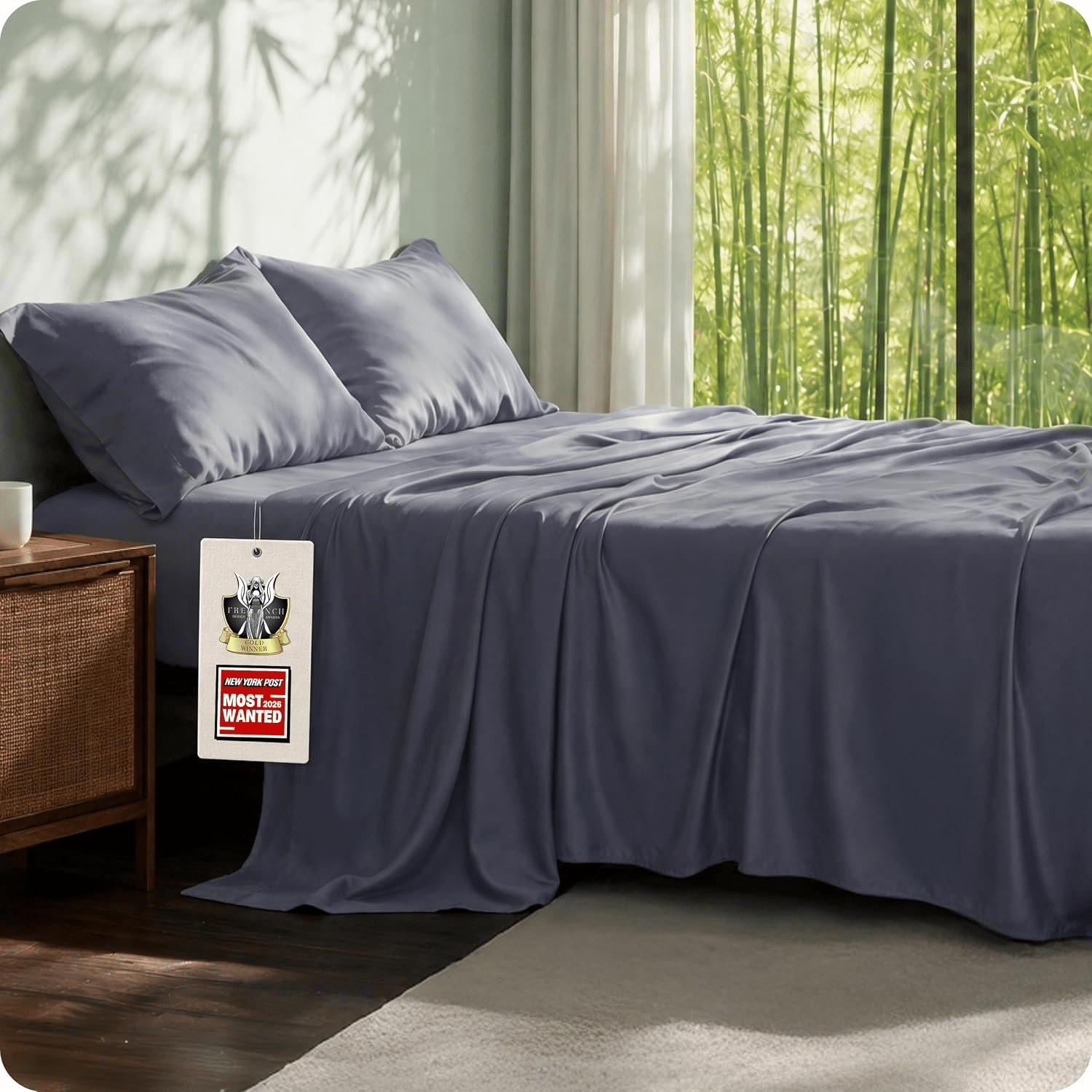
This is especially important for those of us who sleep hot.
A cool bedroom, lightweight bedding, and layers you can easily remove can make night sweats much easier to deal with than one giant, heavy comforter that turns your bed into a sauna.
I like lightweight sheets for that reason. The CGK Hotel Luxury Bed Sheet Set and Bedsure Cooling Sheet Set are two affordable options if you want to experiment with lighter bedding.
But don’t feel like you have to replace your sheets. Start by turning the thermostat down a little, using a fan, or removing an unnecessary blanket.
Darkness matters, too.
It’s amazing how many lights appear once you start looking for them. The clock is glowing. Something is charging. The television has a tiny red light. There’s light sneaking through the blinds.
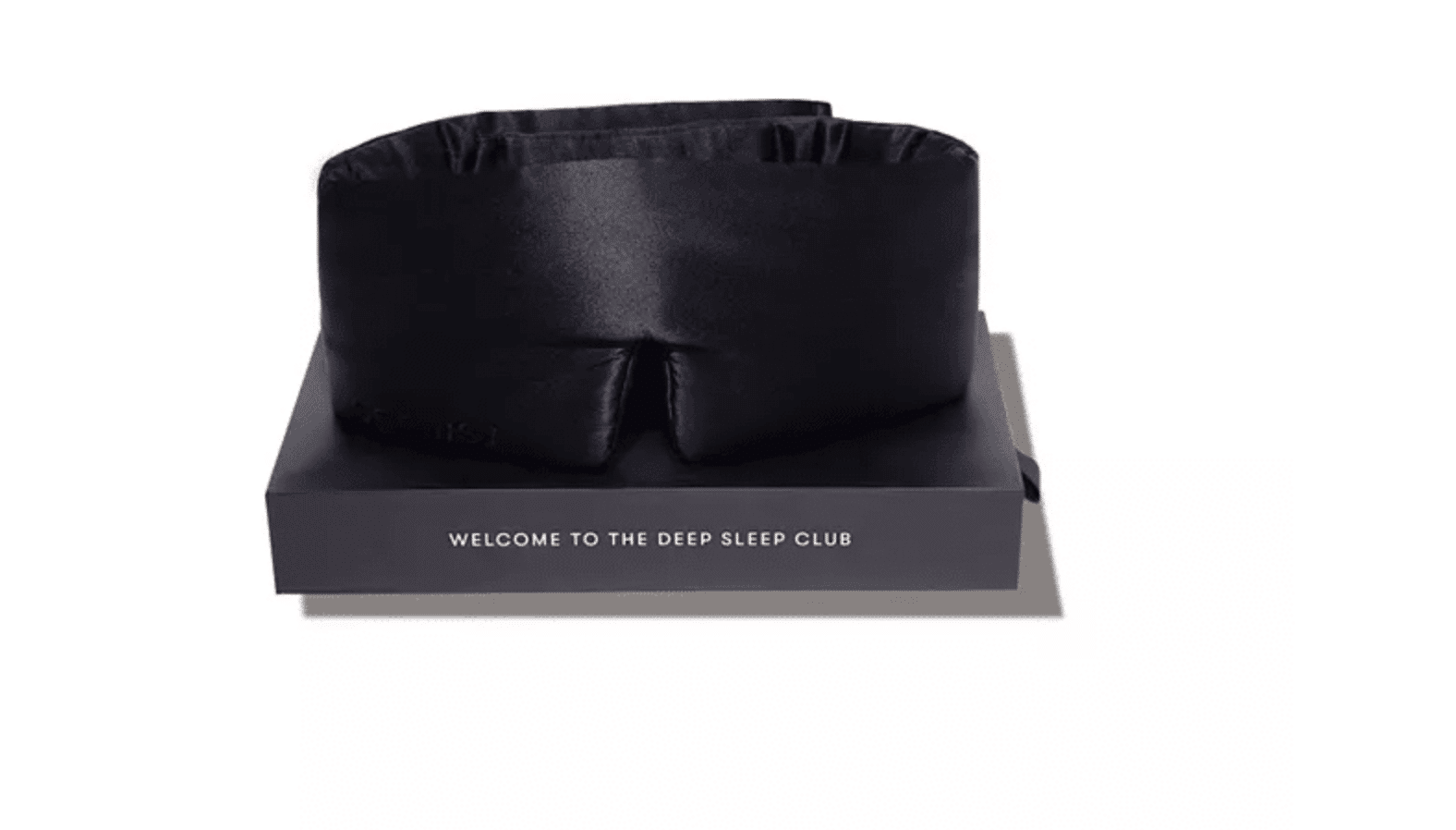
If you can’t make the room completely dark, a sleep mask is an easy solution. The Drowsy Silk Sleep Mask and Blissy Pure Silk Sleep Mask are soft options that would also be easy to pack for travel. My daughter uses this Sleep mask with built-in Bluetooth headphones. She needs music to sleep, but doesn’t want to wake the baby.
The NIH recommends keeping the bedroom cool, dark, and quiet as part of creating a healthier sleep environment.
Try White Noise If Every Little Sound Wakes You Up
Quiet doesn’t necessarily mean complete silence.
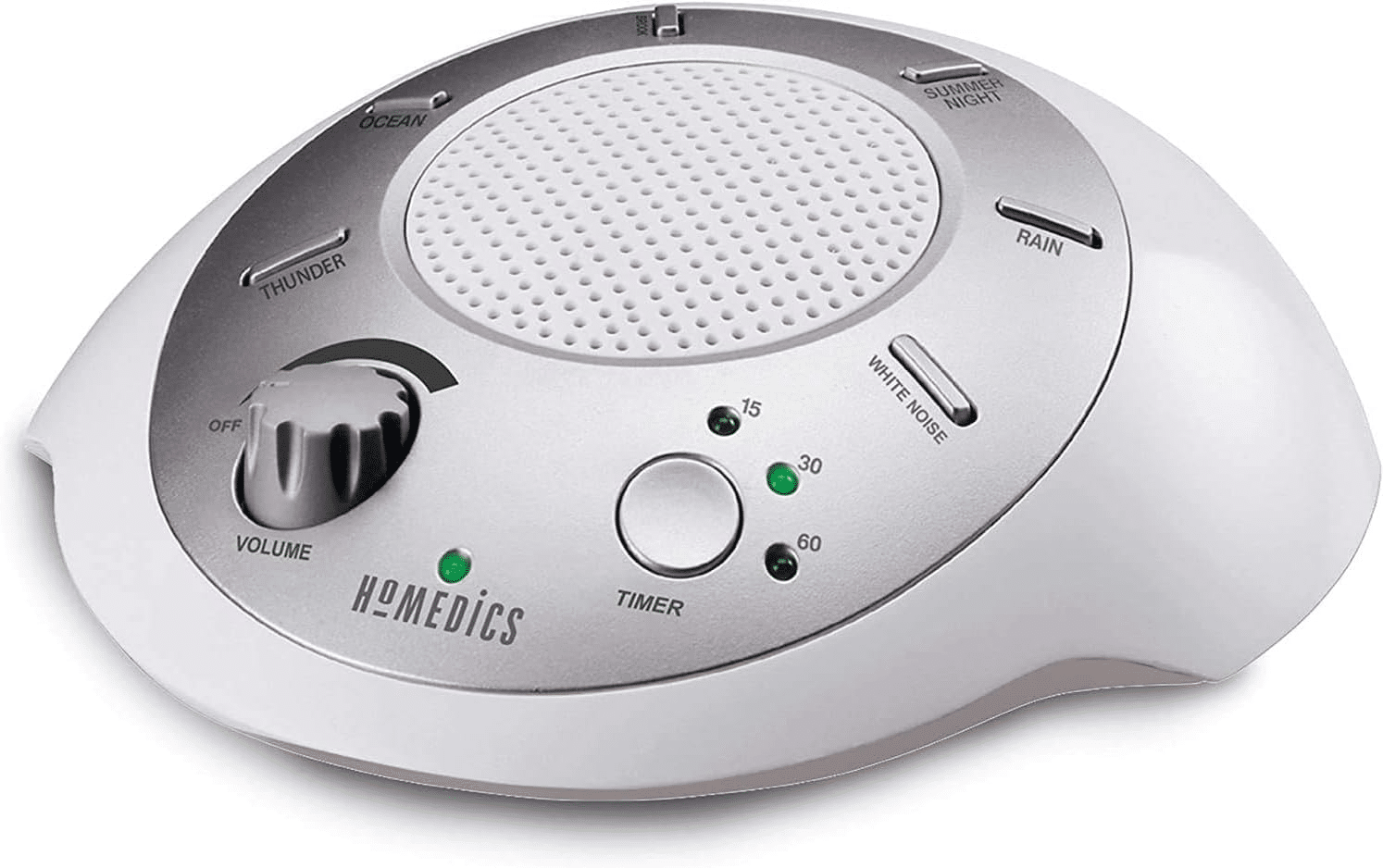
I use the Homedics SoundSleep White Noise Sound Machine at night. It gives me a steady background sound instead of having my brain latch onto every little creak, car door, dog bark, or mysterious sound that suddenly seems VERY important at 2 a.m.
It has several sound options, including white noise and nature sounds, and it’s small enough that it doesn’t take over the nightstand.
I think this is another one of those things where personal preference matters. Some people want absolute silence. Other people sleep better with a fan or steady background noise.
Lucy would probably vote for everyone remaining completely silent until breakfast, but unfortunately, she doesn’t get to run the household. Lol!
Don’t Ignore Your Mattress
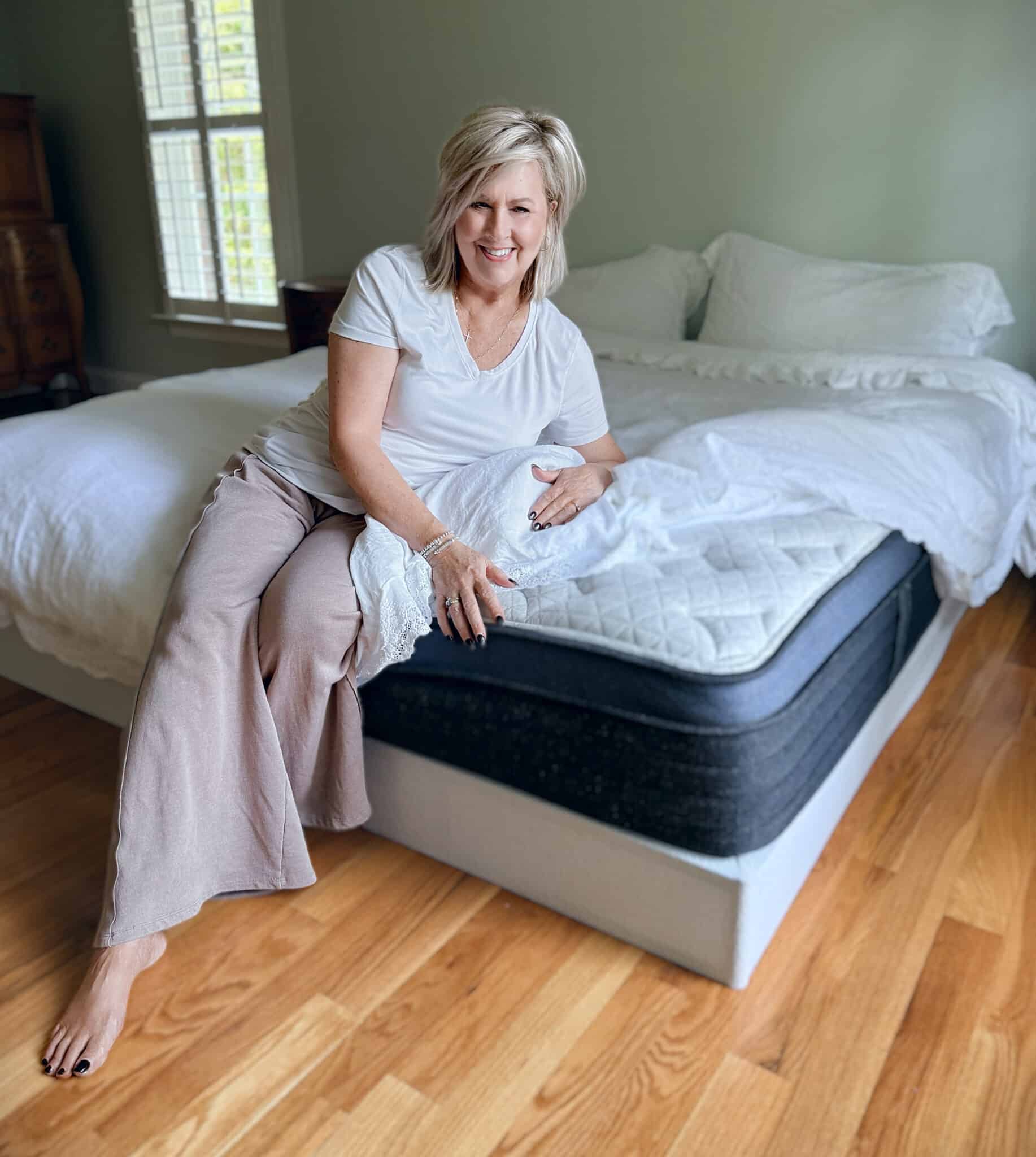
We can tweak the temperature, buy lovely sheets, and create the perfect bedtime routine, but if the mattress underneath us is uncomfortable, we’re fighting an uphill battle.
And I think this becomes more noticeable as we get older.
My hips and shoulders are much less forgiving than they used to be. Something I could sleep on without giving it another thought twenty years ago might have me walking around like the Tin Man the next morning.
I know I’ve been sounding like a mattress salesman lately, but when I genuinely love something, I tend to blab about it. Lol! (Plus, they are having a Labor Day sale with up to 30% off)
We have a Helix mattress, and this is one sleep upgrade I can speak about from personal experience. We chose the Midnight Luxe Mattress because we wanted the additional cushioning and support. My son bought the Midnight Elite Mattress. I haven’t slept on his, so I’m not going to pretend I can review it, but he tells me it is fabulous.
That distinction matters to me. I’ll always tell you what I’ve actually used versus something I’m simply showing you as another option.
Before buying a new mattress, though, pay attention to what your body is telling you. If you’re regularly waking with hip, shoulder, neck, or back discomfort, your mattress or pillow may deserve a closer look.
Make Your Bed Feel Comfortable to You
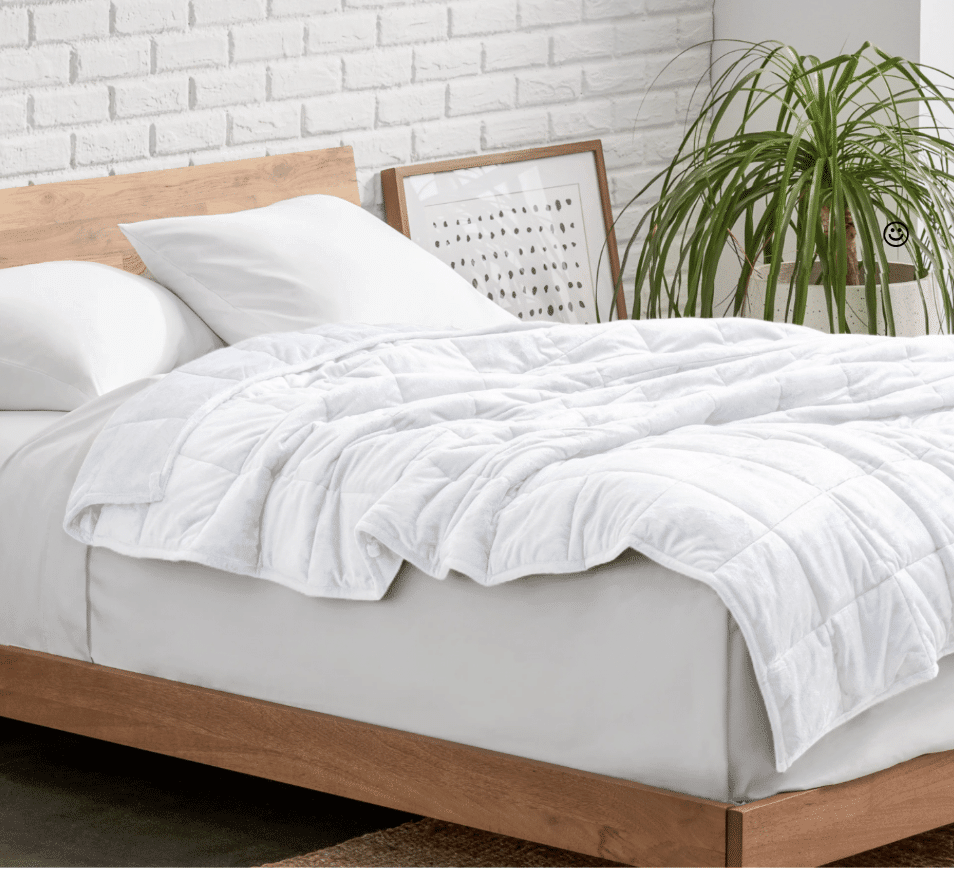
There isn’t one “perfect” sleep setup because we’re all different. Some people love weighted blankets. Other people feel trapped under one in approximately thirty seconds. Lol!
If you like that tucked-in feeling, a breathable Cotton Weighted Blanket might appeal to you. If you’re always cold, something like the Minky Fleece Weighted Blanket is going to feel much cozier.
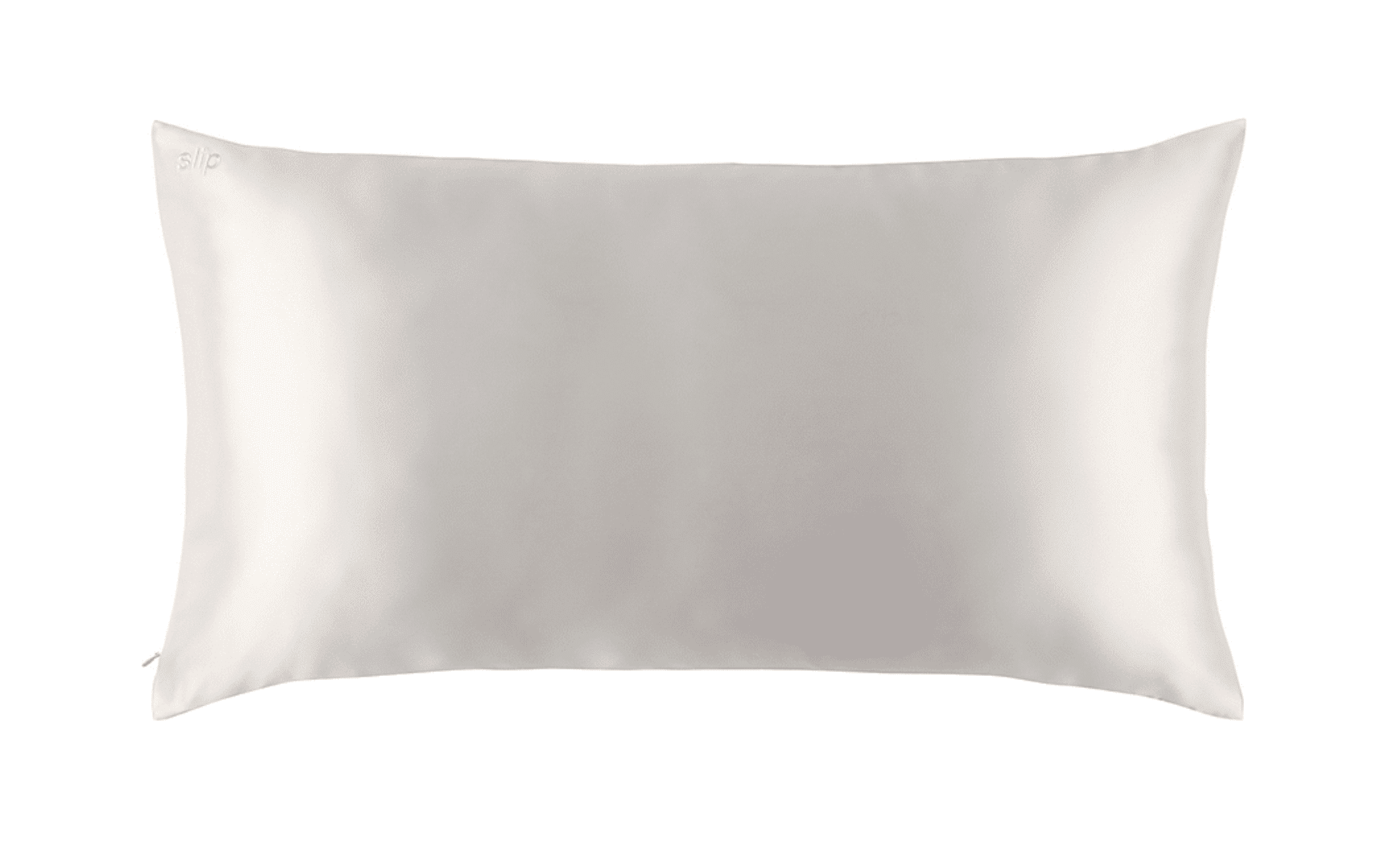
The same goes for pillowcases. I like the smooth feeling of satin or silk against my skin and hair. The inexpensive Bedsure Satin Pillowcase Set lets you try the idea without spending much, while the Slip Pure Silk King Pillowcase is the splurge version. I recently posted about my pillowcase that has copper benefits, and enVy sent me their new COPPER + HYLA Silk Pillowcase. It is awesome, and I love it!
None of these things cures insomnia. They’re simply ways to make your bed more comfortable, and I think that is an important distinction.
What About Magnesium for Sleep?
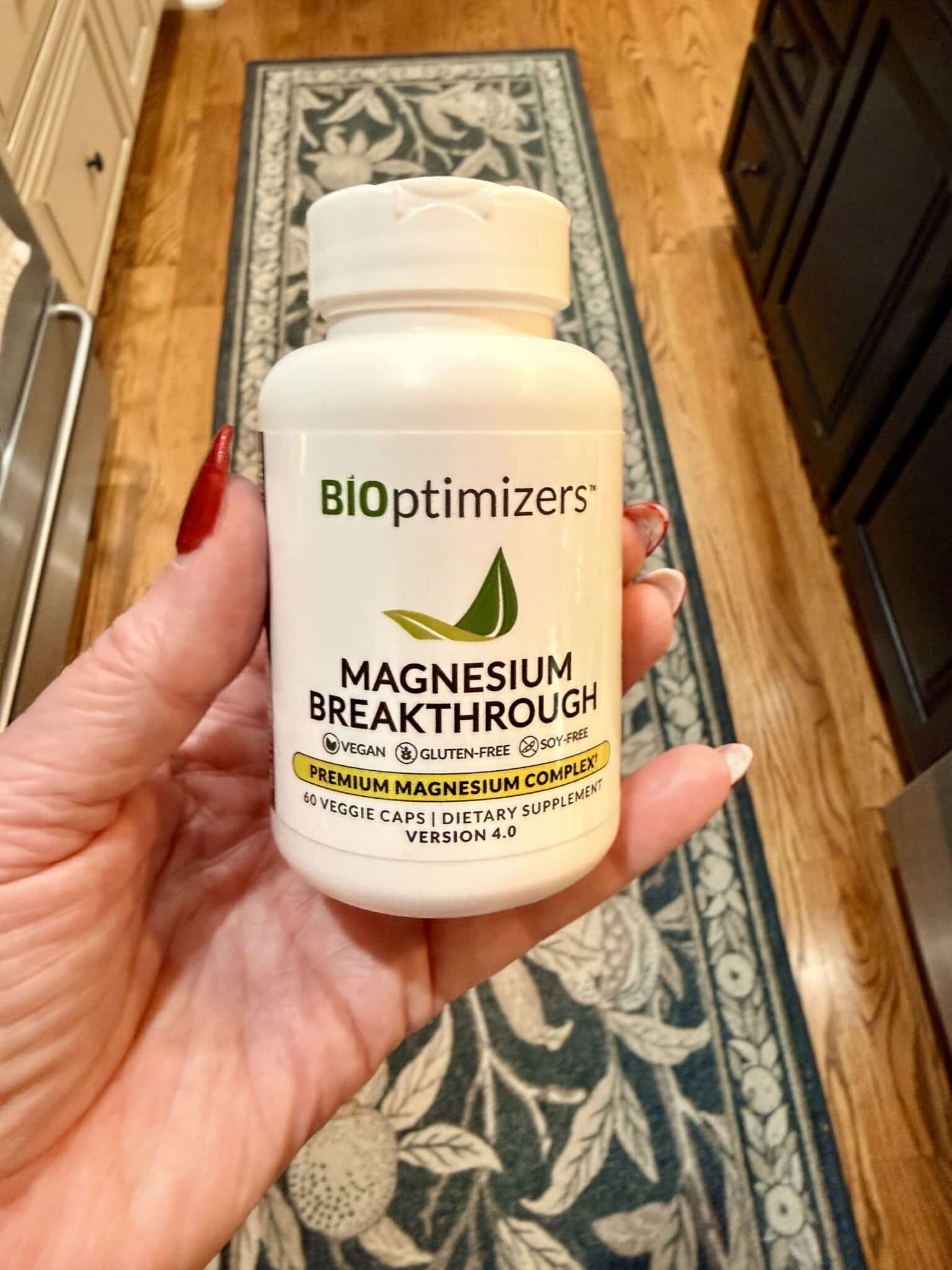
Magnesium gets talked about constantly when the subject of sleep comes up, and I personally use the Magnesium Breakthrough 4.0 Supplement.
But here’s where I want to separate what I personally use from what has actually been proven.
Research on magnesium for insomnia is still limited. A review cited by the National Center for Complementary and Integrative Health found some indication that magnesium might help older adults with insomnia fall asleep faster, but the studies were small and low quality, so researchers couldn’t draw strong conclusions.
So I wouldn’t tell you, “Take magnesium, and you’ll sleep better.” We simply don’t have enough evidence to make that promise.
There is another thing worth knowing if you’re taking supplements: check what is already in everything you’re using.
For example, AGZ already contains magnesium L-threonate, so on nights that I’m using that, I don’t take any magnesium. If you’re also taking a separate magnesium supplement, don’t assume that piling on more is automatically better. The NIH Office of Dietary Supplements notes that high supplemental doses can cause problems and magnesium can interact with certain medications. People with impaired kidney function need to be particularly careful.
That’s a good reason to show your supplement list to your doctor or pharmacist, especially if you’re taking several products. I use supplements, but I don’t treat “natural” as another word for “can’t possibly cause a problem.”
Put the Phone Down…Even Though I Know It’s Hard
This may be the tip I need someone to remind me about. It is incredibly easy to wake up, grab your phone to check one little thing, and realize forty-five minutes later that you’re watching a woman organize her refrigerator. How did we get here?!? Lol!
Light is one of the environmental signals that helps regulate our internal sleep-wake clock, and artificial light at night can interfere with those signals. Try giving yourself a phone cutoff before bedtime, or at the very least, don’t make your phone the entertainment center when you wake during the night.
I know. Easier said than done.
Get Some Daytime Light and Movement
Better sleep doesn’t begin when you crawl into bed. Spending time outside during the day and being physically active are also among the healthy sleep habits recommended by the NIH.
That doesn’t mean you have to run five miles. Walk the dog, work in the yard, take a fitness class, go for a walk after lunch, or simply look for opportunities to move during the day.
Our bodies like knowing the difference between daytime, when we’re active and exposed to light, and nighttime, when things become darker and quieter.
If You Can’t Sleep, Don’t Turn It Into a Battle
One of the worst things about insomnia is lying there thinking: I have to go to sleep. Why can’t I go to sleep? If I fall asleep right NOW, I’ll get five hours and forty-three minutes.
Please tell me I’m not the only one who has done sleep math. Lol!
For ongoing insomnia, cognitive behavioral therapy for insomnia, usually called CBT-I, is actually one of the first treatments recommended by sleep experts. It addresses the habits and thought patterns that can keep insomnia going and doesn’t rely on medication.
That’s worth knowing because chronic insomnia deserves more than another Amazon order.
When Poor Sleep Needs a Conversation With Your Doctor
An occasional terrible night happens to all of us. But if poor sleep is becoming your normal, please don’t automatically assume it’s just part of getting older.
Talk with your healthcare provider if you’re dealing with ongoing insomnia, severe daytime sleepiness, loud snoring, gasping or choking during sleep, frequent morning headaches, restless legs, or other symptoms that keep interfering with your sleep.
Sleep apnea, menopause symptoms, medications, chronic pain, anxiety, and other health conditions can all interfere with sleep. Sometimes identifying the real problem is far more useful than buying another pillow or adding another supplement.
Other Posts You Need To Check Out
* Korean Skincare for Women Over 50: What I Tried and What’s on My Radar
* Easy Fall Coffee Station Ideas for a Cozy Coffee Bar at Home
My Simple Formula for a Better Night’s Sleep
If I were starting from scratch, I wouldn’t buy ten new things. I’d start with the basics.
Keep the room cool and dark. Try to keep your bedtime and wake time fairly consistent. Move caffeine earlier in the day. Get some daylight and movement. Put the phone away. Create a calming nighttime routine.
Then look for your particular problem.
If noise wakes you, try white noise. If you’re hot, look at your bedding. If your body aches every morning, evaluate your mattress and pillows. If menopause symptoms are repeatedly waking you, talk to your healthcare provider about those symptoms instead of simply trying to sleep through them.
And if you want to add something like magnesium or AGZ to your routine, check the ingredients and make sure it makes sense with everything else you’re taking.
I love my comfortable mattress, soft bedding, nighttime drink, magnesium, and white noise machine. Those are things I actually use. But none of them is the secret ingredient that guarantees a perfect night’s sleep.
Unfortunately, I haven’t found that yet.
Did you find something helpful in today’s post? Share it with a friend or save it to Pinterest so you can find it again later. That simple click also helps more women over 50 discover our little corner of the internet, and I truly appreciate it.
Are You One Of The GURLS?
Join the Gurls and get my newest posts delivered straight to your inbox. I’ll share everyday outfit ideas, honest fit details, beauty finds, and a little life along the way.
To GOD Goes The Glory!
Verse Of The Day
Ephesians 4:2 (NIV)
2 Be completely humble and gentle; be patient, bearing with one another in love.


🙂
Found It. Love all the great reviews for sleep today. Thank you.
Thanks for the tips. I’m having to sleep on my recliner due to recovering from eyelid lift surgery. I wake up and sometimes hard to go back. I’ve been wearing a black eye mask so everything is dark and that does help. I will be so happy to get back to my bed next week. I normally don’t have problems going to sleep and I’m past 60’s.
😊 great ideas for sleeping issues. It does seem that sleep is more elusive after 50+
What a great post!
This is great information. Thank you!
☺️😴I’m pretty sure my aches and pains are telling me I need a new mattress. My husband and I need to have a talk!